June 5, 2026
In the realm of sustainable water sourcing, expert water well drillers play a pivotal role in ensuring the longevity and functionality of wells. This article explores the techniques and considerations these professionals use to maximize well lifespan. By leveraging advanced methodologies and maintaining a meticulous approach, water well drillers ensure that wells serve communities effectively for decades. The importance of investing in expert services cannot be overstated, as well-maintained wells form a critical backbone for water security.
Section 1: What Are the Key Techniques Used by Water Well Drillers?
Research and Site Assessment
Before commencing any drilling project, water well drillers prioritize thorough research and site assessment. This involves analyzing geological data, existing water levels, and historical weather patterns. Such diligence allows drillers to predict potential issues, ensuring they choose the ideal location for the well. This preliminary work is crucial as it influences the success and longevity of the well.
Topographical evaluations enable drillers to understand the subsurface conditions, crucial for a durable well construction. The process involves geological surveys, test borings, and hydrologic reports. By carefully analyzing these factors, drillers can anticipate challenges and mitigate them cost-effectively. Additionally, this step is vital to ensure that natural environmental characteristics are preserved.
Environmental impact assessments are a staple in site assessments, ensuring sustainable water extraction. Environmental concerns dictate not only where to drill but how to proceed responsibly. This holistic evaluation ensures that water extraction processes don't negatively affect surrounding ecosystems. What's more, these assessments comply with local regulations and safeguard community water supplies.
Choosing the Appropriate Drilling Technology
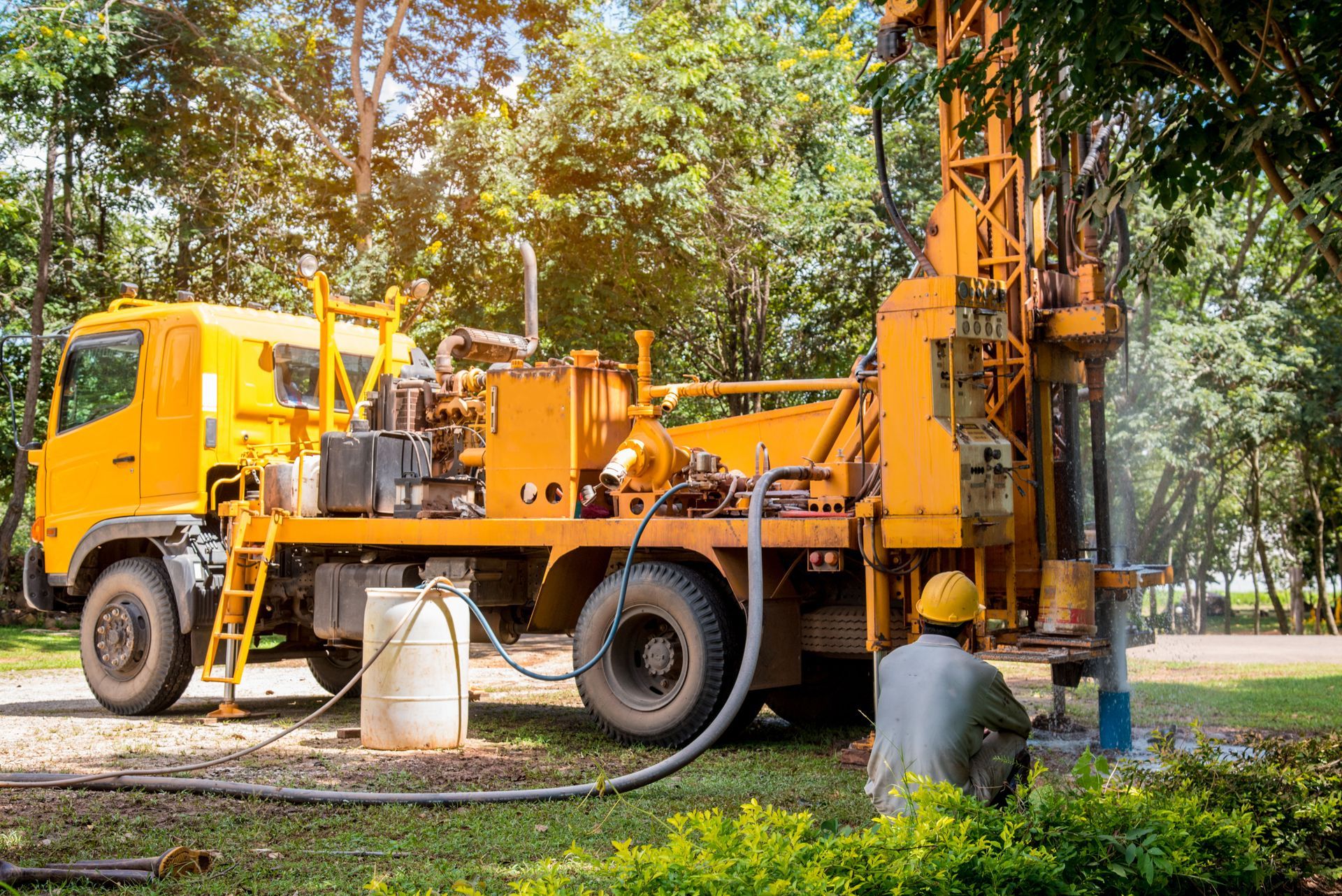
Water well drillers have several techniques at their disposal, each suited for different terrains and depths. Rotary drilling and cable tool drilling are among the most common methods used today. The choice of technique depends on various factors, including geological conditions and project scope. Each technology offers distinct advantages, influencing drilling speed and final well quality.
Modern advancements have led to the development of more efficient and environmentally friendly drilling methods. Precision and accuracy are enhanced through technologies like sonic drilling, which minimize disturbance to the geological layers. By choosing the right technology, drillers can ensure maximum efficiency and well integrity. It's this adaptability and knowledge that allow water well drillers to produce wells that stand the test of time.
Integrating technology into the drilling process reduces operating costs and improves outcomes. Advanced tools allow for continuous monitoring during the drilling phase. This enables real-time adjustments, enhancing safety and efficiency. Ultimately, the choice of drilling technology becomes a driving factor in the well's lifespan and functionality.
Borehole Design and Construction
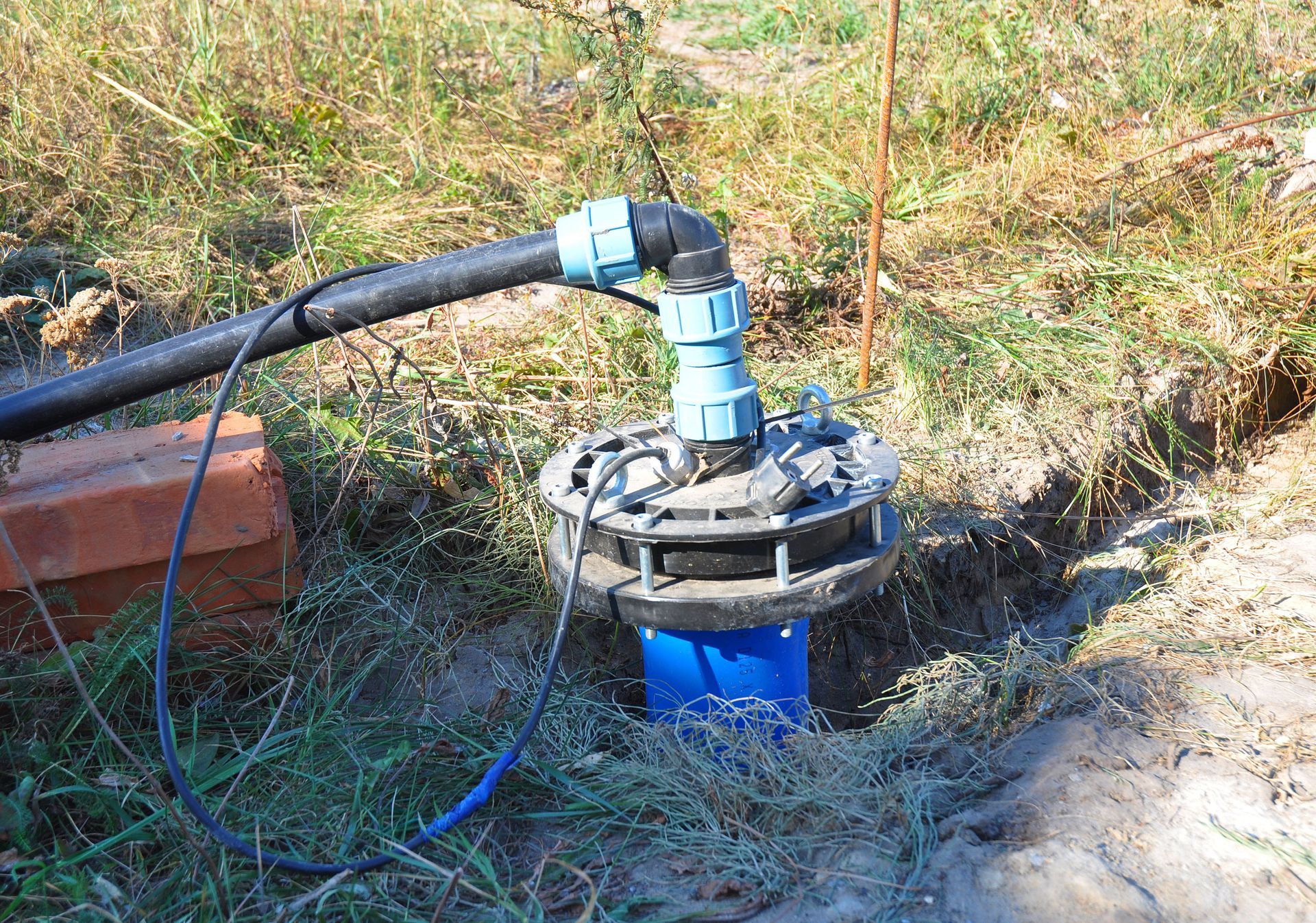
The design and construction of the borehole lay the foundation for a successful well project. Creating a borehole that is structurally sound and optimally sited ensures that a well delivers a consistent water supply. The materials selected play a pivotal role in the well's longevity and resilience. High-quality casings and screens are used to protect the well against contaminants and ensure water purity.
Water well drillers employ advanced techniques to ensure precise borehole alignment and stability. This involves the use of casings, grout, and seals to protect the borehole walls. Sealing with cement or bentonite prevents surface contamination and ensures a stable structure. Adhering to proper construction standards prolongs the well's lifespan and reduces the need for costly repairs.
Attention to detail during construction is critical to preventing operational issues. An inadequately constructed borehole may succumb to leaks, corrosion, or collapse. The expertise of water well drillers in integrating borehole design with comprehensive safety measures can't be emphasized enough. According to HomeGuide, a professionally installed water well lasts 30 to 50 years with proper maintenance, though individual components have shorter lifespans.
Section 2: How Do Water Well Drillers Maintain Well Efficiency?
Regular Monitoring and Maintenance
Consistent monitoring and maintenance are imperative in maximizing the lifespan of a water well. Once the well is operational, routine checks help identify potential issues before they escalate. Water well drillers offer comprehensive maintenance services, addressing wear and tear which can compromise efficiency. Regular testing for water levels and mechanical inspections are crucial in sustaining well performance.
Incorporating advanced monitoring technologies allows for more precise oversight of the well's operation. Automated systems provide real-time data on flow rates, pressure, and water levels. This proactive approach ensures timely interventions, reducing downtime and enhancing reliability. Diagrams and records maintained by professionals assist in diagnosis and tracking well integrity over time.
The longevity of a well is significantly influenced by proactive maintenance strategies. Repairing worn parts or replacing expired equipment promptly prevents significant operational breakdowns. Regularly scheduled maintenance minimizes risks and prolongs well lifespan, ultimately safeguarding water supply reliability. As wells age, adhering to a stringent maintenance schedule ensures continuous functionality.
Pumping Equipment Optimization
Optimizing pumping equipment is critical in maintaining well efficiency and reducing operational costs. Well drillers ensure that all components—from pumps to pipes—are appropriately sized and of the correct materials. Correct selection and installation mitigate energy waste and reduce the strain on the well system. Pumping systems must be regularly inspected to maintain their efficiency.
Innovative technologies such as variable frequency drives (VFDs) optimize pump performance. VFDs adjust the pump's energy consumption to match demand, thereby conserving energy. This technology not only extends the pump's lifespan but also reduces operational costs substantially. Keeping up with the latest developments in pump technology ensures effective water extraction and longevity.
Ensuring equipment conforms to evolving efficiency standards is also crucial in maintaining well functionality. Regular assessments identify equipment that may need updating or replacement, ensuring ongoing efficiency. By focusing on both performance and cost-effectiveness, water well drillers contribute to a well’s sustainable operation. Adequate equipment optimization aligns with broader sustainability goals, reducing environmental impacts.
Section 3: What Safety Measures Are Essential During Drilling?
Ensuring Workforce Safety
Workforce safety is paramount throughout the drilling process to prevent accidents and ensure regulatory compliance. Providing comprehensive training to workers on drilling equipment and emergency protocols enhances overall safety standards. Regular safety drills keep the workforce prepared for any emergencies that may arise during operations. Personal protective equipment (PPE) such as helmets and gloves are mandatory to reduce injury risks.
Implementing strict safety protocols creates a secure working environment, reducing the probability of accidents. Collaborative safety efforts foster a culture of awareness and responsibility among workers. Safety audits conducted by water well drillers ensure adherence to established standards and identify areas of improvement. A strong safety record not only protects the workforce but also maintains the project's timeline and budget.
Safety measures extend beyond the immediate drilling site to include the transport and storage of equipment and materials. Proper equipment handling and maintenance contribute to a safe working atmosphere. Implementing risk assessment tools helps forecast potential hazards and mitigate them effectively. By prioritizing workforce safety, water well drillers ensure the well construction process is carried out smoothly.
Environmental Safety Considerations
Environmental safety is a crucial factor in planning and executing well drilling projects. Drill site planning must take ecosystems, wildlife, and water resources into account to prevent disruption. Responsible waste management and spill prevention measures are essential to safeguard surrounding areas. This fosters a responsible approach to natural resource utilization, ensuring ecological balance is maintained.
Water well drillers assess potential environmental impacts prior to project initiation, ensuring compliance with environmental regulations. They utilize technologies and techniques that minimize pollution and land disturbances. Understanding and respecting local environmental policies is a reflection of professional responsibility among drillers. These measures preserve biodiversity and reduce the footprint of drilling activities.
Sustainable sources, such as eco-friendly drilling fluids, further emphasize responsible resource extraction. Implementing conservation techniques, such as optimizing resource usage, helps protect local water supply. Environmental safety protocols ensure regulatory compliance and support community trust in drilling operations. These initiatives align with the goal of preserving ecosystems for future generations.
As water well drilling technologies and practices continue to evolve, the role of expert drillers remains crucial in ensuring well longevity. With a focus on innovation and sustainability, these professionals are pivotal in securing water supplies for future generations. By implementing cutting-edge techniques and prioritizing ecological responsibility, water well drillers build reliable water sourcing solutions. Investing in their expertise ensures the development of wells that stand the test of time and serve communities constructively. Reach out to Palestine Drilling & Services, LLC today to see how we can help you!